Table Of Content

However, some designers include their design fee in their total price per hour or square foot. Interior designers charge $1,000 to $7,800 per room on average, which includes design work and furnishings. It's common to see a living room at a flat fee of $2,500 to $5,000 and each bedroom at $1,000 to $2,000. Interior designers hourly rates are $100 to $200 on average but can range from a minimum of $50 per hour for a junior designer up to $450 an hour for an experienced designer or principal of the firm. The designer might suggest bigger projects like knocking down walls, changing the floor plan, installing bigger windows, or raising ceilings. Our Mood Board app for Mac and Windows works with tons of the tools you already use, cutting the double work.
Crafting an Interior Design Mood Board: A Step-by-Step Guide
Now let’s take a look at your options for creating a simple mood board to get your interior design project off to a successful start. Creating an interior design mood board is an excellent way for students and professionals alike to express their vision without having any prior experience in interior design. Communicating your ideas through mood board designs is one of the best ways to let your clients grasp the project’s theme. As here with this image, the musical theme is showcased through different guitar images and clears the intent of rock music. If you are creating a corporate-style mood board, it becomes essential to cover the core elements during the design process. For example, a UI mood board should have well-planned elements like fonts, menus, icons, colors, and others.
When Should I Decorate for Mardi Gras?
This may seem obvious, but it’s important to be clear about the scope of your project before starting a mood board. Make sure to decide at the outset which room or space you want to create a mood board and stick to it. In this guide, we’ll be walking you through exactly what you need to do to create a stylish, coherent, and professional-looking mood board that will do justice to your interior design ideas. We’ll also be outlining the top mood board software and tools that will make it easier for you to curate your project and manage the process from start to end. We make a mood board for beginners by curating inspirational images from various sources, like Pinterest and magazines. With tools like Canva, we design a digital board effortlessly, incorporating textiles, furniture, and color schemes to visualize our interior design concept effectively.
The Most Durable and Easiest to Clean Flooring Types
Unlike traditional homes that rely on locally available materials, modern houses prioritize advanced materials and technologies for construction. Introducing Ron, the home decor aficionado at ByRetreat, whose passion for creating beautiful and inviting spaces is at the heart of his work. With this in mind, Ron is dedicated to transforming remote workspaces into havens of comfort, functionality, and beauty. With his deep knowledge of home decor and his innate sense of style, Ron brings a wealth of expertise and a keen eye for detail to the ByRetreat team. From bold stripes to delicate florals, patterns can tie elements together and inject energy into a space.
16 Best Interior Design Apps in 2023 - Apps For Interior Design - House Beautiful
16 Best Interior Design Apps in 2023 - Apps For Interior Design.
Posted: Mon, 18 Apr 2022 07:00:00 GMT [source]
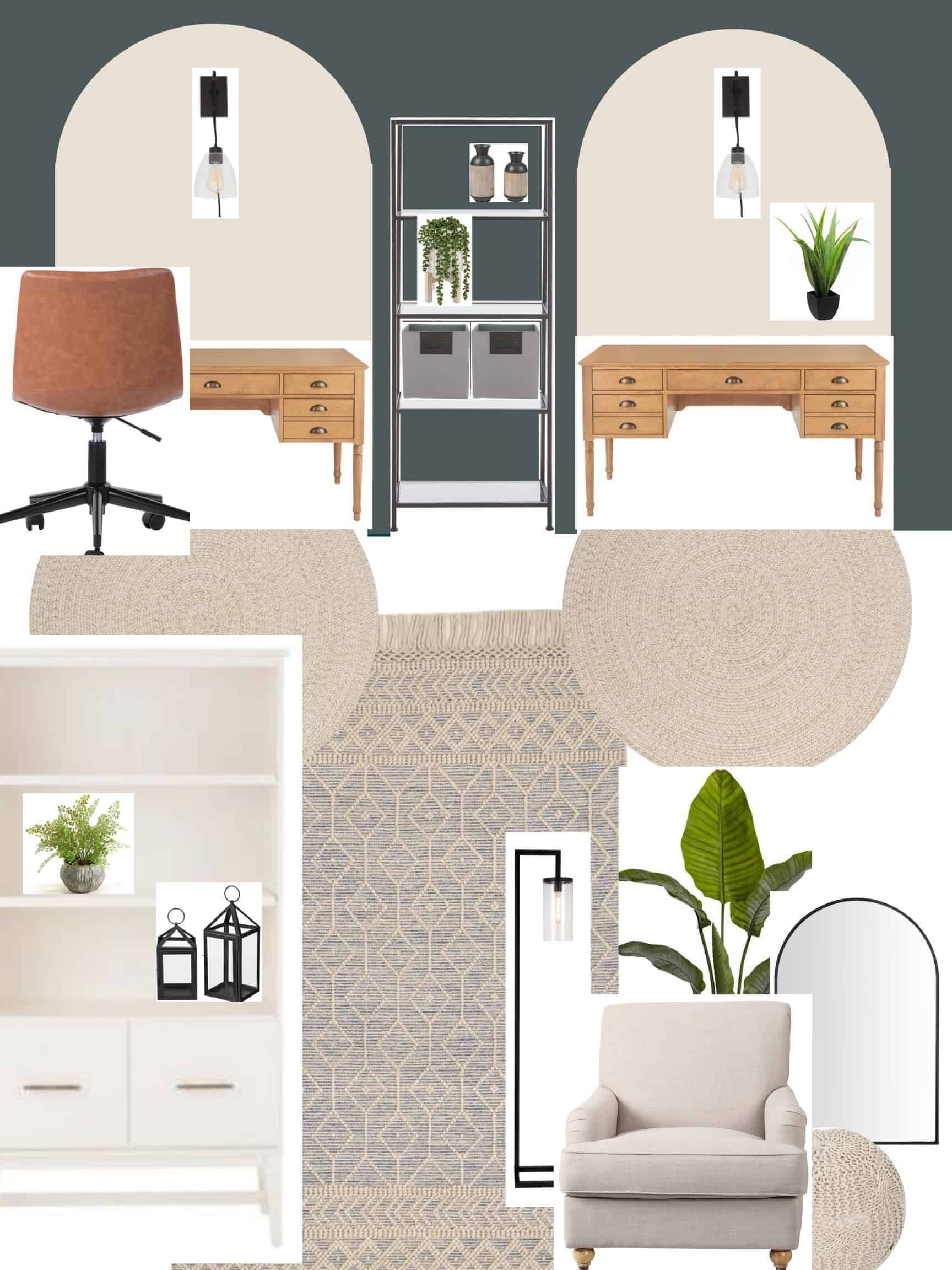
Remember, the creative process is non-linear, so you may find yourself moving back and forth between the steps as you go. One last note— these same software recs can be used to make a mockup of your space when you’re ready. A mockup is similar to a mood board, but usually mockups show your final selections for furniture, etc., in the arrangement they’ll be in the room. Mockups can range from being more creative interpretations to being exact 3D renderings. Don't be afraid to experiment with different combinations of colors, materials, and styles. Mood boards are a great way to explore various design options before finalizing your concept.
How much does an interior designer or decorator cost?
Whether you’re creating a mood board or concept board, you need somewhere to put your collection of images and ideas. Don’t feel obligated to spend money on a new tool just to create a concept board—use whatever you’re most comfortable with. The majority of interior designers will invoice you online, and you can pay through one of the many online payment apps available. The design questionnaire which you’ll complete at the start of any project, will assist us in understanding your unique style as well as the specifics of your project. We’ll help us understand the existing difficulties or challenges so that your designer can create a design that is tailored to your personal requirements.
To layer, crop or delete an image:
It can be helpful to select a central image or element that encapsulates the essence of your mood board. This focal point will serve as a reference and anchor for your overall design. Start by saving all your images in a folder either on your computer or your phone, depending on where you’ll be working on your mood board. If you want to create a mood board where you can manipulate imagery and text like the one below, I’ll show you 2 different options. It can be easy to forget the more boring but important pieces like window treatments or flooring.
Gather inspirational images
Physical mood boards like this one are great because of how they communicate in such a tactile, concrete way, but most people in the mood board stage won’t have access to this many physical elements. Since one of the purposes of a mood board is to see which of your ideas work next to each other and look harmonious together, you shouldn’t spend a lot of time shopping for specifics yet. For example, the couch you put in your mood board doesn’t need to be the actual couch you end up using; it just needs to represent the general style you’re looking for.
Start your Moodboard
This is because it is much closer to the reality of the project than a digital mood board can be thanks to the inclusion of real elements such as textiles and wallpapers. While a digital mood board can share these ideas as images, seeing, for example, a swathe of yellow velvet in a photograph and seeing (and feeling it) in person can be two very different experiences. The physical experience of it will be much more representative of how it will look and feel and can therefore, as part of a presentation, be much more effective as a way to get buy-in from a client.
Your interior design inspiration board is essentially complete after the last step. However, with a little more research and refining, you can turn your mood board into a concept board for a specific room. That being said, if you plan to work with a designer on your upcoming project, we recommend putting together a mood board instead of a concept board.
If you want to create a user interface design for a website or an application, using an organized style for your inspiration board can help. Here, you can see how each element, like fonts, button layouts, shapes of icons, and even typography, is presented in an organized manner. Interior designers can use such a method of styling for an office design process. So, if you are wondering how to present a massive stack of content for a busy stakeholder or have a centralized board for your design elements, then mood boards are the best option.
Something I got into the habit of doing when I was designing for clients was taking a photo of the finished mood board. I quickly learned this was helpful not only for filing and keeping track of samples, but for analyzing the room in 2-D. I also like to pop the image of my physical mood board into my digital mood board file to see how they compare and overlap. Before you start layering a physical mood board, choose a neutral base for your swatches. I prefer a plain white tray to corral everything without altering or adding a unique color or texture to my design plan. Check out the tray I use below- I have these in a couple different sizes.
These options give a realistic and spooky look to your Halloween decorations. For a striking and spooky addition to your Halloween decor, consider the Giant Inflatable Spider Decoration. Crafted from high-quality polyester material, this inflatable spider delivers a realistic appearance and durability that will impress both indoors and outdoors. Measuring 3.5D x 6.5W x 7.5H, its large size makes it a prominent Halloween decoration that will surely catch everyone's eye. Enhance your Halloween decorations with a touch of creepiness by crafting your own DIY Spider Egg Sacks at home. These spooky homemade decorations are a perfect addition to your Halloween display, adding an eerie vibe that will impress your guests.
You want an actual file to send to clients or to use somewhere other than Pinterest. This collage is a designer’s go-to tool for a project’s initial planning phase. It represents ideas taken from the initial discussions between a client and designer (or anyone wanting to design their own space). Its goal is to establish clear direction on a project before actually beginning design work.


No comments:
Post a Comment